Choosing a credit card in the United States can be confusing, especially when banks advertise cashback rewards, travel points, introductory interest rates, and sign-up bonuses. Although these benefits can be useful, the best credit card is not necessarily the one offering the biggest reward.
A good credit card should fit your spending habits, financial situation, and ability to repay what you borrow. Understanding interest rates, annual fees, credit scores, and repayment rules can help you make a more informed decision.
In this guide, you will learn how credit cards work in the USA, how to compare different offers, how credit cards affect your credit score, and how to avoid common mistakes.
What Is a Credit Card?
A credit card allows you to borrow money from a financial institution to pay for purchases, subject to your credit limit and account terms.
Instead of paying the entire purchase amount immediately from your bank account, you can use the card and repay the balance later.
Most credit cards operate with a billing cycle. At the end of the cycle, the issuer sends a statement showing your transactions, total balance, minimum payment, and payment due date.
If your account has a purchase grace period and you pay the full statement balance by the due date, you can generally avoid interest on purchases. However, grace periods and interest rules vary, and they may not apply in the same way to cash advances or other transactions.
Using a credit card responsibly can help establish a credit history. Missing payments or carrying expensive debt can create financial problems.
Understanding Credit Card Interest Rates and APR
One of the most important things to review before applying for a credit card is its Annual Percentage Rate, commonly known as APR.
APR represents the annualized cost of borrowing under the applicable terms. Credit card issuers may offer different APRs for purchases, balance transfers, and cash advances.
For example, suppose you carry a $1,000 balance subject to a 24% APR. A simple annual-rate calculation gives approximately $240 in interest over a year if the balance remained unchanged. Actual credit card interest depends on the issuer’s calculation method, daily balances, payments, transaction dates, and other account terms.
This example does not mean that every cardholder will pay exactly $240.
What Is a 0% Introductory APR?
Some credit cards offer a promotional APR, such as 0%, for a specified period on eligible purchases or balance transfers.
These offers can provide temporary relief from interest charges, but you should check:
- How long the promotional period lasts.
- Whether the offer applies to purchases, balance transfers, or both.
- Whether balance transfer fees apply.
- What APR applies after the promotion ends.
- Whether missing a payment can affect the promotional terms.
Do not assume that every promotional offer works the same way. Read the issuer’s terms before applying.
Official consumer guidance is available from the Consumer Financial Protection Bureau at https://www.consumerfinance.gov/consumer-tools/credit-cards/.
Common Types of Credit Cards in the USA
Different credit cards serve different financial needs. Comparing the main categories can help you narrow your options.
- Cashback Credit Cards
Cashback cards return a percentage of eligible purchases as cash rewards, statement credits, or other forms of redemption.
For example, a hypothetical card offering 2% cashback on eligible purchases would generate $20 in rewards on $1,000 of qualifying spending, assuming there are no spending caps or exclusions.
However, rewards may be worth less than the interest you pay if you carry a balance. Annual fees and category restrictions can also reduce the overall value.
Cashback cards may suit people who pay their statements in full and want straightforward rewards.
- Travel Rewards Credit Cards
Travel cards offer points or miles that may be redeemed for flights, hotels, rental cars, or other travel expenses.
Some cards also offer travel-related benefits, but these vary by issuer and product.
Before applying, compare the annual fee, redemption rules, foreign transaction fees, travel benefits, and the value of rewards for your actual travel habits.
A card with a large sign-up bonus may not be worthwhile if you cannot meet its spending requirements through purchases you would normally make.
- Low-Interest Credit Cards
Low-interest cards may offer a lower ongoing APR than other cards available to a particular applicant.
These cards can be useful for people who sometimes carry balances, although interest charges can still add up.
Compare the actual APR offered to you, annual fees, and other conditions. Remember that paying your statement balance in full is generally an effective way to avoid interest on eligible purchases when your grace period applies.
- Secured Credit Cards
A secured credit card typically requires a refundable security deposit. The deposit may influence the credit limit, depending on the issuer’s terms.
These cards can be an option for people who are building credit or recovering from past credit difficulties.
A secured card does not automatically guarantee credit score improvement. Its usefulness depends on whether the issuer reports account activity to the major credit bureaus and whether the cardholder manages the account responsibly.
Before applying, check the deposit requirements, fees, reporting practices, and conditions for receiving your deposit back.
- Student Credit Cards
Student cards are designed for eligible students who are beginning to build credit.
They may have simpler reward structures or other features aimed at new borrowers. Approval is not guaranteed, and applicants must meet the issuer’s eligibility requirements.
Students should focus on manageable spending, on-time payments, and understanding the terms rather than treating a credit limit as extra income.
How to Choose the Right Credit Card
The best way to compare credit cards is to evaluate the complete offer rather than focusing on one attractive feature.
Compare Annual Fees
Some credit cards charge no annual fee, while others charge fees in exchange for additional rewards or benefits.
For example, a hypothetical card with a $95 annual fee must provide at least $95 in annual value before you break even on the fee alone.
The actual value depends on the rewards you earn and whether you use the card’s benefits. Do not pay for features that you are unlikely to use.
Review Foreign Transaction Fees
If you travel internationally or make purchases from merchants in other countries, check whether the card charges foreign transaction fees.
These fees vary by card. A card advertised as a travel card does not necessarily have no foreign transaction fee.
Review the issuer’s pricing and terms before using a card abroad.
Check the Credit Score Requirements
Credit card issuers evaluate applications using factors such as credit history, income or ability to make payments, existing debt, and other information permitted by applicable law.
Some cards are aimed at applicants with established credit, while others may be designed for people with limited credit histories.
There is no universal credit score that guarantees approval for every card. Issuers use their own criteria, and approval can depend on the complete application.
If you are unsure about your eligibility, review the issuer’s published requirements and consider whether a prequalification option is available. Prequalification does not guarantee final approval.
Read the Rewards Rules
Credit card rewards can come with restrictions.
Check which purchases qualify, whether categories rotate, whether rewards expire, and how points or cashback can be redeemed.
Also review any spending requirements associated with sign-up bonuses. Never spend money you cannot afford to repay simply to qualify for a reward.
Understanding Credit Scores in the USA
A credit score is a numerical indicator used by lenders, along with other information, to assess credit risk.
Credit scoring models differ, so your score may vary depending on the model and credit report used.
Factors that may affect a credit score include payment history, amounts owed, length of credit history, new credit applications, and types of credit accounts.
Why Payment History Matters
Making payments on time is an important part of maintaining a positive credit history.
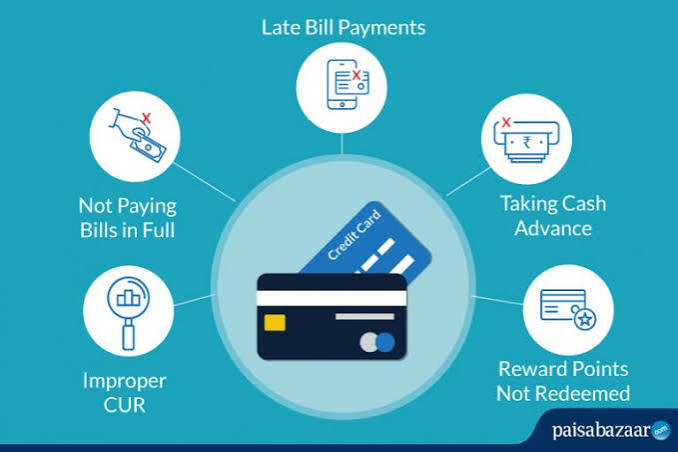
Late payments can have negative consequences, and missed payments may also lead to fees or interest charges.
Set up reminders or automatic payments if appropriate for your situation. If you use automatic payments, make sure sufficient funds are available in the linked account.
Understand Credit Utilization
Credit utilization generally refers to the amount of revolving credit you use compared with your available revolving credit limits.
For example, if a credit card has a $5,000 limit and a reported balance of $1,000, the utilization for that card is 20%.
Lower utilization is generally viewed more favorably by many credit scoring models, although the effect depends on the model and the rest of your credit profile.
You do not need to carry an interest-bearing balance to build credit. Paying your statement balance in full can help avoid interest on eligible purchases while maintaining responsible account management.
Check Your Credit Reports
Reviewing your credit reports can help you identify errors, unfamiliar accounts, or signs of identity theft.
Under federal law, consumers can access their credit reports through the authorized reporting system.
Visit https://www.AnnualCreditReport.com/ to learn how to obtain your reports from the major nationwide credit reporting companies.
If you find incorrect information, follow the dispute process provided by the credit reporting company and the relevant information provider.
How to Avoid Credit Card Debt
Credit cards can be convenient, but carrying a balance can become expensive.
Follow these practical habits to reduce the risk of debt.
Create a spending budget. Use your credit card for purchases that fit within your budget instead of treating the available credit limit as money you can freely spend.
Pay the full statement balance when possible. Paying the statement balance by the due date generally helps avoid interest on eligible purchases when the grace period applies.
Understand the minimum payment. The minimum payment keeps your account current if paid on time, but paying only the minimum can leave a balance that accrues interest for an extended period.
Monitor transactions regularly. Check your statements for unauthorized transactions and unexpected fees. Report suspicious activity promptly to the card issuer.
Avoid unnecessary cash advances. Cash advances often have separate fees and may begin accruing interest immediately. Check the agreement before using this feature.
Keep track of due dates. A missed payment can result in late fees and other consequences under your card agreement.
What to Do If You Have Credit Card Debt
If you already have credit card debt, start by listing each account’s balance, APR, minimum payment, and due date.
Continue making at least the required minimum payments where possible. Then consider directing additional money toward the highest-interest balance while maintaining payments on other accounts. This approach can reduce interest costs over time, although the result depends on your balances, rates, and payment amounts.
Another option is to investigate whether a lower-interest balance transfer offer is suitable. Compare transfer fees, promotional periods, the post-promotional APR, and the time needed to repay the balance.
Avoid taking on new debt without a realistic repayment plan.
If you are struggling to meet payments, contact your card issuer to ask about available hardship options. You can also consult trustworthy nonprofit credit counseling organizations. Be cautious of companies that promise guaranteed debt elimination or demand substantial upfront fees.
The Consumer Financial Protection Bureau provides consumer guidance at https://www.consumerfinance.gov/consumer-tools/credit-cards/.
Frequently Asked Questions
- What is the best credit card in the USA?
There is no single best credit card for everyone. The right choice depends on your spending habits, credit history, annual fee preferences, interest rate, and reward needs.
- Does carrying a balance improve your credit score?
No. You generally do not need to carry a balance or pay interest to build credit. Paying your statement balance in full, when possible, can help you avoid interest on eligible purchases.
- How can beginners build credit?
Eligible beginners can consider products such as secured credit cards or student cards. Make payments on time, keep balances manageable, and confirm that the issuer reports account activity to the major credit bureaus.
- Is a cashback credit card worth it?
A cashback card may be useful if its rewards exceed applicable fees and you manage the account responsibly. Interest charges can outweigh rewards if you carry a balance.
- Can I get a credit card with limited credit history?
Some issuers offer products for applicants with limited credit histories. Approval depends on the issuer’s criteria and your overall application.
- How often should I check my credit reports?
Check your reports periodically and whenever you suspect errors or fraud. Reviewing reports can help you identify incorrect information and unfamiliar accounts.
- What happens if I miss a credit card payment?
You may face a late fee, interest charges, or other consequences under your agreement. A sufficiently late payment may also be reported to credit bureaus and affect your credit history. Contact your issuer promptly if you cannot make a payment.
Final Thoughts
Choosing the right credit card in the USA requires more than comparing cashback percentages or promotional offers. You should understand APR, annual fees, payment requirements, credit score factors, and the terms governing rewards.
Compare multiple offers, read the pricing information carefully, and select a card that matches your financial needs. Responsible use, timely payments, and careful spending can help you manage credit more effectively.
Disclaimer: This article is for general educational and informational purposes only. It does not constitute financial, legal, tax, or credit advice. Credit card terms, interest rates, fees, eligibility requirements, and credit scoring methods can change. Verify current information with the card issuer and official consumer resources before making a financial decision.
No responses yet