Unexpected expenses can happen at any time. Your car may need an expensive repair, you may receive an unexpected medical bill, or you could lose your job and need money to cover your monthly expenses. Without savings, these situations can create financial stress and may force you to rely on credit cards or loans.
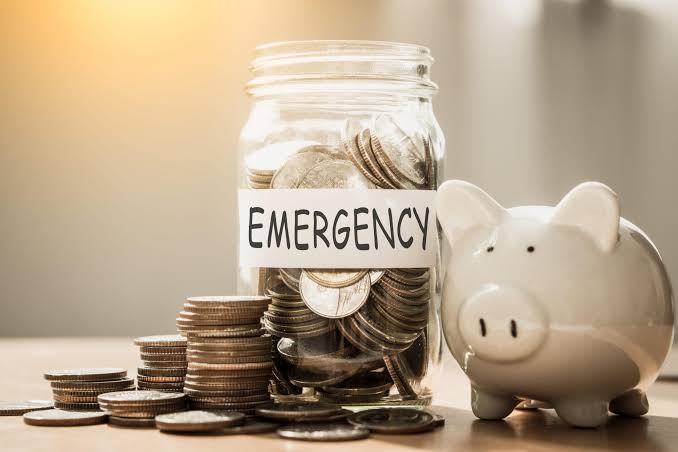
An emergency fund can help you manage these unexpected situations without completely disrupting your finances. It is a dedicated amount of money set aside for emergencies rather than everyday spending.
The good news is that you do not need thousands of dollars to get started. By setting a realistic goal, saving consistently, and choosing an appropriate account, you can gradually build a financial safety net.
In this guide, you will learn how an emergency fund works, how much you may need, where to keep your savings, and practical ways to build your fund on a budget.
What Is an Emergency Fund?
An emergency fund is money reserved for unexpected expenses or financial difficulties. Unlike money saved for a vacation, a new car, or a home purchase, this money is intended to help you handle situations that require immediate financial attention.
Common reasons to use an emergency fund include:
- Unexpected car repairs or transportation expenses.
- Emergency medical bills and other unplanned healthcare costs.
- Essential home repairs, such as a leaking roof or broken heating system.
- Temporary unemployment or a reduction in working hours.
- Urgent travel to help a family member.
- Essential household expenses during a financial disruption.
An emergency fund is not intended for every unexpected purchase. For example, buying a television during a sale is usually not an emergency. A broken refrigerator that needs immediate replacement, however, may qualify because it affects an essential household need.
Creating clear rules for using your savings can help you protect the fund for situations that genuinely require it.
Why Is an Emergency Fund Important?
An emergency can become more expensive when you do not have money available to cover it. You might need to borrow money, carry a credit card balance, or delay paying another bill.
These choices can create additional costs through interest, late fees, and other charges.
An emergency fund gives you another option. You can use money you have already saved rather than immediately taking on new debt.
- It Helps Reduce Financial Stress
Unexpected bills can be difficult to manage, especially when your regular income already goes toward rent, groceries, transportation, insurance, and utilities.
Having savings available can make these situations easier to handle. You may still face a challenging situation, but you will have more financial flexibility.
- It Can Help You Avoid Expensive Debt
Credit cards and personal loans may help cover an emergency, but borrowing can make the original expense more expensive.
For example, if you use a credit card for a $1,000 repair and cannot pay the balance in full, interest may accumulate depending on your card’s terms.
Using your emergency savings can help you avoid that additional borrowing cost.
- It Protects Other Financial Goals
Without emergency savings, you might need to withdraw money intended for retirement, education, or a home down payment.
A separate emergency fund can help protect those longer-term goals when unexpected expenses arise.
- It Provides More Flexibility During Job Loss
If you lose your job or experience a reduction in income, savings can help cover essential expenses while you look for new employment or adjust your budget.
Your fund may not replace your income completely, but it can give you additional time to make financial decisions.
How Much Should You Save in an Emergency Fund?
There is no single emergency fund target that works for everyone. The right amount depends on your monthly expenses, income stability, household responsibilities, insurance coverage, and access to other reliable resources.
A practical approach is to begin with a small goal and increase it gradually.
Start With a Small Savings Goal
If you currently have little or no savings, do not let a large target discourage you.
Your first goal might be $250, $500, or $1,000, depending on what is realistic for your budget. Even a small reserve can help cover certain unexpected expenses.
After reaching your initial target, work toward building enough savings to cover several months of essential expenses.
Aim for Three to Six Months of Essential Expenses
Many personal finance plans use three to six months of essential living expenses as a longer-term emergency fund target. This is a guideline, not a requirement that everyone must meet immediately.
Essential expenses may include:
- Rent or mortgage payments.
- Groceries and basic household supplies.
- Utilities and phone service.
- Health, auto, renters, or homeowners insurance.
- Transportation costs.
- Minimum debt payments.
- Childcare and other necessary family expenses.
For example, imagine your essential monthly expenses total $2,500.
Savings target| Amount needed
One month| $2,500
Three months| $7,500
Six months| $15,000
These figures are examples. Your personal target may be lower or higher depending on your circumstances.
If your income is irregular, you are self-employed, or several people depend on your earnings, you may prefer a larger reserve. If you have a stable income and fewer financial responsibilities, a smaller initial target may feel more manageable.
Step-by-Step Guide to Building an Emergency Fund
Building savings becomes easier when you break the process into simple actions.
Step 1: Calculate Your Essential Monthly Expenses
Start by reviewing your monthly budget. Look at bank statements, bills, and other records to estimate how much money you need to cover essential expenses.
Separate necessary costs from optional spending.
For example, rent, groceries, utilities, and basic transportation are usually essential. Restaurant meals, entertainment subscriptions, and nonessential shopping may be reduced if needed.
Suppose your essential monthly expenses look like this:
Expense| Monthly amount
Rent| $1,200
Groceries| $350
Utilities and phone| $180
Transportation| $250
Insurance and healthcare| $220
Minimum debt payments| $150
Total| $2,350
Your three-month emergency fund target would be $7,050, while six months would equal $14,100.
Use your own expenses rather than copying this example. The purpose is to calculate a target that reflects your actual life.
Step 2: Set a Realistic First Goal
Once you know your monthly expenses, choose an achievable first milestone.
If saving three months of expenses feels overwhelming, begin with $500 or $1,000. You can increase the target as your savings grow.
A smaller goal provides a clear starting point and helps you develop a consistent saving habit.
Write down your target amount and decide when you want to reach it. A realistic deadline is more useful than an ambitious target that forces you to neglect essential bills.
Step 3: Review Your Spending
Look for expenses you can reduce without affecting your basic needs.
You might consider:
- Canceling subscriptions you rarely use.
- Comparing internet, phone, and insurance plans.
- Preparing meals at home more often.
- Reducing impulse purchases.
- Planning grocery shopping around a list.
- Reviewing recurring bank fees.
- Setting a limit for nonessential spending.
You do not need to eliminate every enjoyable activity. The goal is to find a sustainable amount that can be redirected toward savings.
Even a small monthly reduction can help you build your fund over time.
Step 4: Automate Your Savings
One of the simplest ways to save consistently is to schedule automatic transfers from your checking account to a separate savings account.
You might arrange a transfer after each payday or once a month.
For example, if you save $50 every week, you would contribute approximately $2,600 over 52 weeks, before any interest.
If $50 is too much, start with $10 or $20 per week. You can increase the amount when your income or budget allows.
Before scheduling automatic transfers, make sure the timing works with your bills and paycheck. Avoid transfers that could cause overdrafts or leave you without enough money for essential expenses.
Step 5: Save Extra Income When Possible
Regular contributions are useful, but occasional additional deposits can speed up your progress.
Consider putting part of the following into your emergency fund when available:
- Work bonuses.
- Tax refunds.
- Cash gifts.
- Income from selling unused items.
- Extra earnings from freelance or part-time work.
You do not have to deposit every extra dollar. Decide in advance how much you want to save and how much you need for other financial priorities.
For example, you could direct half of an unexpected payment toward your emergency fund and use the remainder for necessary expenses or other goals.
Step 6: Keep Your Emergency Savings Separate
Keeping emergency money in a dedicated account can make it easier to track your progress and reduce the temptation to spend it.
A separate account also helps you distinguish between money available for regular purchases and money reserved for unexpected expenses.
Check the account periodically to make sure your balance is growing and your savings plan still fits your circumstances.
Where Should You Keep Your Emergency Fund?
Emergency savings should generally be accessible, relatively stable in value, and separate from your everyday spending money.
For many people, an interest-bearing savings account is a reasonable option.
High-Yield Savings Account
A high-yield savings account may pay a higher annual percentage yield (APY) than some traditional savings accounts.
Potential benefits include earning interest while keeping your money accessible. However, interest rates can change, and account requirements vary by financial institution.
Review the APY, minimum balance requirements, monthly fees, withdrawal or transfer conditions, and how quickly you can access the money.
Traditional Savings Account
A traditional savings account can also work well. You may prefer it if your current bank offers convenient access and clear account terms.
Compare its interest rate and fees with other options before deciding where to keep your savings.
Money Market Deposit Account
Some banks offer money market deposit accounts that pay interest and may provide check-writing or debit-card access, depending on the account.
These accounts can have minimum balance requirements or other conditions. Review the terms carefully before opening one.
Do not confuse a bank money market deposit account with a money market mutual fund. They are different products, and mutual funds are not FDIC-insured deposits.
Should You Invest Your Emergency Fund?
Investments such as stocks and mutual funds can lose value, sometimes when you need cash most. They may also take time to sell and transfer into a bank account.
Because emergency savings are meant to be available during unexpected events, money needed for immediate emergencies is generally better kept in an accessible savings vehicle rather than exposed to market risk.
Check Deposit Insurance
Before opening an account, confirm whether the bank is FDIC-insured. The FDIC generally covers eligible deposits up to $250,000 per depositor, per insured bank, for each ownership category.
Credit unions may provide comparable federal deposit protection through the National Credit Union Administration (NCUA), subject to applicable rules and limits.
FDIC insurance does not cover investments such as stocks, bonds, mutual funds, or crypto assets. You can learn more through the official “FDIC Deposit Insurance website” (https://www.fdic.gov/resources/deposit-insurance/).
How to Build an Emergency Fund on a Tight Budget
Saving can be difficult when most of your income is already committed to essential expenses. You can still begin with a flexible plan.
Start With a Small Amount
Save whatever you can reasonably afford without missing rent, utilities, food, or other essential payments.
A contribution of $5 or $10 is still a start. Consistency matters more than choosing an amount that is too large to maintain.
Match Savings to Your Pay Schedule
If you receive a paycheck every two weeks, consider making a small transfer after each payday instead of trying to save a large amount at the end of the month.
If your income varies, choose a minimum contribution you can usually manage and add more during stronger months.
Use a Separate Savings Account
A dedicated account can help prevent your emergency money from being mixed with spending money.
However, avoid account fees that could gradually reduce a small balance. Review minimum balance requirements and other conditions before opening an account.
Avoid Using Credit for Routine Expenses When Possible
If your budget regularly falls short before payday, focus on understanding the shortfall rather than automatically increasing your savings contribution.
Review bill timing, necessary expenses, and possible income changes. If you are struggling to cover essentials, it may be appropriate to stabilize those payments before pursuing a larger savings target.
The goal is to improve your financial position, not to create more pressure.
Emergency Fund vs. Paying Off Debt
Many people wonder whether they should save money or pay off debt first.
The answer depends on your situation, including your debt interest rates, minimum payments, income stability, and current savings.
Keeping some emergency savings while making required debt payments can help you avoid borrowing again when an unexpected bill arrives.
Once you have a basic cash reserve, you may choose to direct additional money toward high-interest debt while continuing to build your emergency fund.
Avoid missing required payments simply to save money. If you are facing financial hardship, contact your lender or creditor to ask about available assistance options.
There is no universal order that suits every household. Choose a plan that balances immediate financial stability with the cost of your debts.
When Should You Use Your Emergency Fund?
Your emergency fund is there to be used when a genuine unexpected need arises.
Appropriate examples may include:
- Paying for an essential car repair needed to get to work.
- Covering an unexpected medical expense.
- Replacing a broken appliance that your household depends on.
- Paying necessary bills after an unexpected loss of income.
- Handling urgent home repairs.
Before withdrawing money, ask yourself three questions:
- Is this expense necessary or urgent?
- Was it difficult to predict or include in my regular budget?
- Would paying it from another source create a serious financial problem?
If the expense meets your emergency criteria, using the fund is not a failure. That is precisely why you built it.
After the situation has passed, make a plan to replenish the money you used. You can return to regular contributions and adjust the timeline for your larger savings goal.
Common Emergency Fund Mistakes to Avoid
Waiting Until You Can Save a Large Amount
You do not need to wait until you can save thousands of dollars. Start with a small, achievable goal and build from there.
Keeping the Money Too Difficult to Access
An account that restricts access or charges costly withdrawal fees may not be suitable for immediate emergencies. Review access conditions before depositing your savings.
Taking Unnecessary Investment Risk
Emergency savings should not depend on market performance. Prioritize access and stability over the possibility of earning higher investment returns.
Using the Fund for Nonessential Purchases
Frequent withdrawals for shopping, vacations, or entertainment can prevent the fund from being available when a genuine emergency occurs.
Forgetting to Rebuild After a Withdrawal
If you use part of your savings, update your target and resume contributions when your budget allows.
Ignoring Account Fees
Monthly maintenance fees or minimum balance requirements can reduce your savings. Compare account terms and choose an option that fits your balance and banking habits.
Frequently Asked Questions
- How much money should I have in an emergency fund?
A common long-term target is three to six months of essential living expenses. If you are starting from zero, begin with a smaller milestone, such as $500 or $1,000, and increase it gradually.
- Is $1,000 enough for an emergency fund?
A $1,000 fund can cover some common unexpected expenses, but it may not be enough for a major medical bill, extended unemployment, or significant home repairs. Consider it a starting point rather than a universal final target.
- Where is the safest place to keep emergency savings?
An eligible savings account at an FDIC-insured bank or a federally insured credit union account can provide deposit protection within applicable limits. Check the institution’s insurance status, account fees, and access conditions.
- Should I keep emergency savings in a checking account?
You can keep some emergency money in checking if you need immediate access, but a separate savings account may help you avoid spending it accidentally. Consider convenience, fees, and the account’s terms.
- Can I build an emergency fund with a low income?
Yes. Begin with a small amount that fits your budget and increase it when possible. If you cannot cover essential expenses, focus first on stabilizing your budget and meeting immediate needs.
- Should I pay off my credit card debt before saving?
Keep up with required debt payments and consider building a basic emergency reserve so unexpected expenses do not force you to borrow again. After that, compare the cost of high-interest debt with your savings needs and choose a sustainable plan.
- Should I use my tax refund to build an emergency fund?
You can direct some or all of a tax refund toward emergency savings if that suits your financial situation. Consider essential bills, overdue obligations, and other priorities before deciding how much to save.
- Is a high-yield savings account good for an emergency fund?
It can be a useful option if the account provides appropriate access, reasonable fees, and eligible deposit insurance. Compare APYs and account conditions, remembering that rates can change over time.
- What happens if I need to use all my emergency savings?
Use the money for the genuine emergency if necessary. Once your situation stabilizes, start rebuilding your reserve with contributions that fit your budget.
- Is an emergency fund the same as retirement savings?
No. An emergency fund is designed for unexpected expenses and short-term financial needs. Retirement savings are generally intended for long-term goals and may have withdrawal restrictions, taxes, or penalties depending on the account and circumstances.
Final Thoughts
Building an emergency fund is a practical step toward greater financial stability. You do not need to reach your final savings goal immediately. Start by understanding your essential expenses, choosing a realistic target, and saving consistently.
A separate savings account, automatic transfers, and occasional additional contributions can help you make progress. As your income and expenses change, review your target and adjust your plan.
Most importantly, remember that an emergency fund is not about predicting every possible problem. It is about giving yourself more options when life does not go according to plan.
Official Resources
- Consumer Financial Protection Bureau: “An Essential Guide to Building an Emergency Fund” (https://www.consumerfinance.gov/an-essential-guide-to-building-an-emergency-fund/)
- Federal Deposit Insurance Corporation: “Understanding Deposit Insurance” (https://www.fdic.gov/resources/deposit-insurance/understanding-deposit-insurance)
- National Credit Union Administration: “Share Insurance Coverage” (https://ncua.gov/support-services/share-insurance-fund)
Disclaimer: This article is for educational and informational purposes only. It does not constitute personalized financial, investment, tax, or legal advice. Account terms, fees, interest rates, and insurance coverage may vary. Review official account disclosures and consider consulting a qualified professional about your individual financial circumstances.
No responses yet