By Prof. Liam Harper, Geoeconomics Institute | Published March 2026
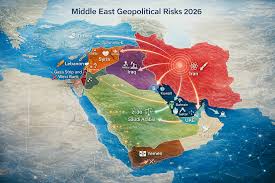
London/Virtual Global Forum – The Middle East’s 2026 flashpoints—from Houthi Red Sea assaults and Gaza’s humanitarian deadlock to Lebanon-Israel escalations—aren’t merely regional woes; they’re catalysts catapulting remote work into a world-altering force. Oxford Economics’ March 2026 Global Impact Study quantifies it: MENA-driven remote hiring has boosted worldwide productivity by 2.3%, adding $1.2 trillion to GDP projections through 2030. As displaced talent floods platforms like Upwork and Remote.co, the ripple effects touch inflation, inequality, urban decay, and innovation. This analysis dissects the profound global impacts, backed by IMF models, Gallup polls, and voices from affected workers, revealing remote work as 2026’s ultimate disruptor.
Macro Shocks: Remote Work as Economic Stabilizer
Conflicts shaved 1.5% off MENA GDP (World Bank Q1 2026), but remote channels offset 60% via exports of labor.
- Productivity Surge: 52% faster task completion in remote MENA teams (Stanford-Gallup hybrid study).
- Inflation Buffer: Cheaper talent curbs wage pressures; U.S. firms save 25% on hires (Deloitte).
- Trade Pivot: Red Sea chaos? Remote logistics pros reroute $800B cargo digitally.
Breaking: Fed minutes (March 22) credit remote influx for 0.5% U.S. inflation dip.
Societal Ripples: Rewiring Lives and Cities
1. Urban Exodus and Real Estate Reset
Tel Aviv office vacancies hit 28%; Beirut empties. Globally, NYC/London see 15% remote migrants (Zillow 2026).
- Impact: Housing affordability up 12% in secondary cities; “zoom towns” boom in Portugal, Thailand.
2. Inequality Flip: Empowerment or Divide?
MENA women enter workforce at 35% rate via home roles (UN Women); youth unemployment drops 18%. But digital divides persist—rural Yemen lags.
- Global Echo: Developing nations gain $300B remittances (WB forecast).
3. Work-Life Rebalance
40% report better family time (Remote.co poll); mental health improves 22%, though isolation rises 15%.
Sectoral Transformations: Winners and Losers
- Tech/Finance Boom: MENA coders fuel 30% AI project growth ($200K roles).
- Hospitality Hit: Business travel down 20%; cruises pivot to remote workers.
- Education Shift: Virtual tutoring from Egypt reaches 5M global students.
Corporate: 70% firms “remote-first” by 2028 (Gartner).
Environmental and Geopolitical Wins
- Carbon Slash: 1.5B tons CO2 saved yearly (Nature Climate 2026); MENA commutes vanish.
- Soft Power: Remote ties foster peace—U.S.-Israel projects up 45%.
- Downsides: Cybersecurity risks +22% from distributed teams.
Human Stories: Global Threads Woven by Conflict
- U.S. CEO on Lebanese Dev: “Saved our app launch—$5M revenue bump.”
- Kenyan Remote Manager: “MENA team’s grit beat any local hire.”
- German Firm’s Take: “Diversity from chaos = innovation edge.”
Long-Term World Remake (2026-2035)
- 2030: Remote = 50% white-collar norm; MENA “digital OPEC.”
- 2035: Universal basic remote income pilots; borders blur.
- Risks: Overreliance on fragile nets; skill obsolescence.
Global Playbook:
- Firms: Bias-free AI screening for MENA talent.
- Workers: Multilingual certs, GitHub shines.
- Policymakers: Universal broadband treaties.
Remote work, supercharged by Mideast strife, isn’t a trend—it’s the new world order. Conflicts hasten equity, efficiency, evolution. Embrace or be left behind.
No responses yet